
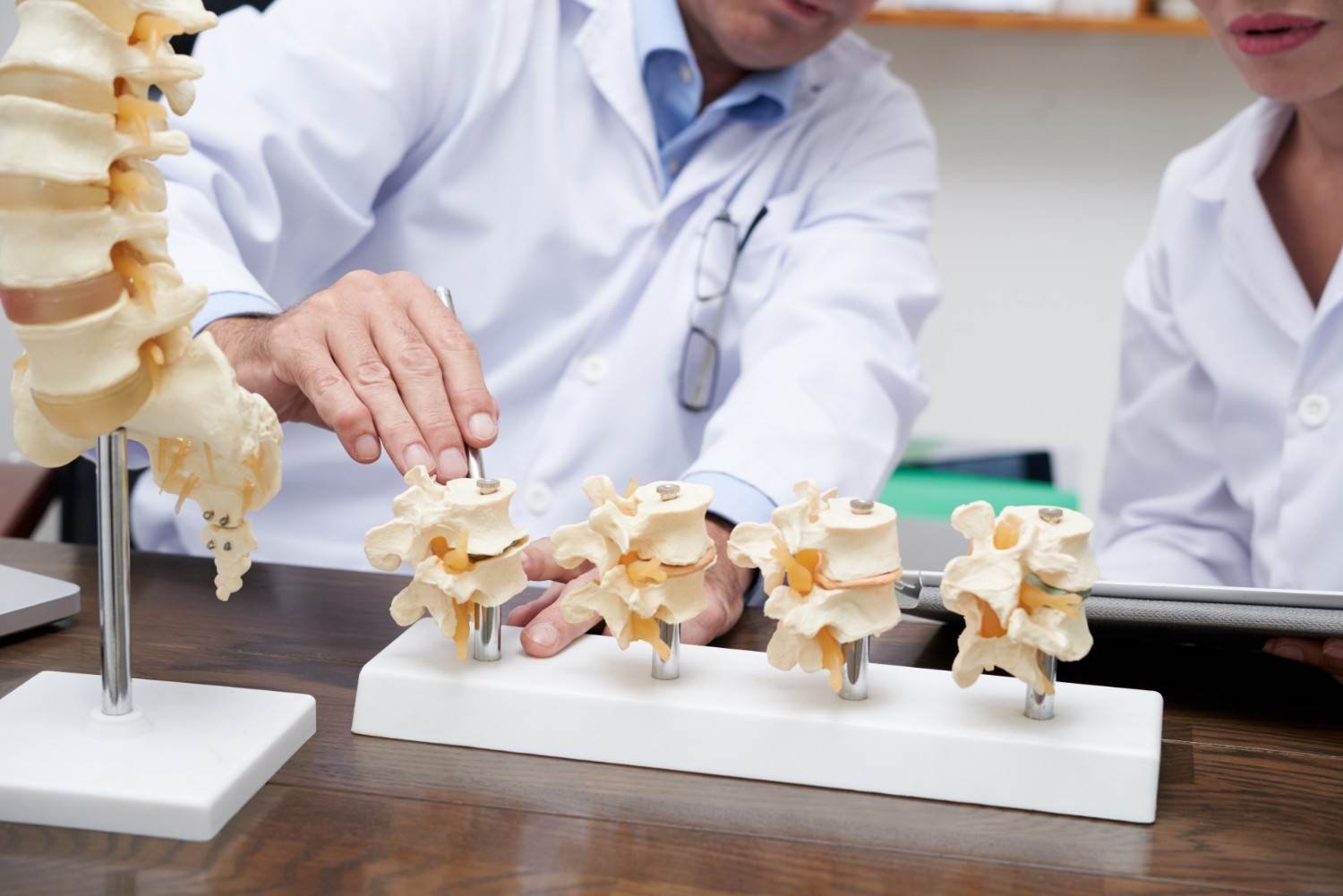
Minimally Invasive Spine Surgery at Divyakriti Multispeciality Hospital: How Does It Work and What Are Its Benefits?
Introduction
Choosing the Best Spine Surgery Hospital in West Delhi involves understanding the available treatment options, surgical techniques, and overall approach to patient care. With fewer incisions and less damage to surrounding tissues, minimally invasive spine surgery is a contemporary method for treating specific spinal disorders.. At Divyakriti Multispeciality Hospital, spine care focuses on appropriate diagnosis, treatment planning, and advanced surgical approaches based on the patient's condition.
For fast information, chat with us directly on WhatsApp
What Is Minimally Invasive Spine Surgery?
Smaller incisions and specialized tools are used in minimally invasive spine surgery to access the afflicted region of the spine. Unlike conventional open surgery, the technique aims to minimise damage to muscles and other tissues around the spine.
Certain disorders, such as herniated discs, spinal stenosis, some spinal fractures, and other issues that do not improve with conservative treatment, may be candidates for the surgery. However, not every patient is a suitable candidate. A detailed evaluation is important before deciding on surgery.
How Does Minimally Invasive Spine Surgery Work?
The process begins with a detailed assessment of the patient's symptoms, medical history, and diagnostic imaging. Depending on the condition, the specialist may recommend imaging tests such as X-rays, MRI, or CT scans.
During surgery, the surgeon makes one or more small incisions to reach the affected part of the spine. Specialised instruments and, in some procedures, a camera or magnification system help the surgeon perform the required treatment with greater precision.
The exact technique depends on the spinal condition and the type of procedure required. The objective is to address the underlying problem while limiting unnecessary disruption to nearby tissues.
Benefits of Minimally Invasive Spine Surgery
One of the major reasons minimally invasive techniques are considered is their potential to reduce tissue damage compared with some traditional surgical approaches. Depending on the procedure and individual health factors, possible benefits may include:
- Smaller surgical incisions
- Less disruption to surrounding muscles and tissues
- Reduced blood loss in some procedures
- Lower postoperative discomfort in some patients
- Shorter hospital stays for selected procedures
- Earlier return to routine activities in suitable cases
These benefits can vary from one patient to another. Recovery depends on the type of surgery, overall health, severity of the condition, and adherence to postoperative instructions.
When Is Spine Surgery Recommended?
When symptoms continue, substantially interfere with everyday activities, or do not improve with suitable non-surgical treatment, spine surgery is typically considered. Surgical assessment may also be necessary in cases of severe nerve compression, progressive neurological complaints, specific spinal traumas, or structural issues. A consultation at a Best Spine Surgery Hospital in West Delhi can help determine whether surgery is appropriate. Treatment should always be based on an individual assessment rather than symptoms alone.
Why Choose Divyakriti Multispeciality Hospital for Spine Surgery?
Divyakriti Multispeciality Hospital provides a multidisciplinary healthcare environment for patients requiring specialised treatment. A precise diagnosis, suitable treatment planning, surgical skill, hospital infrastructure, and postoperative care are crucial considerations for those searching for the Best Spine Surgery Hospital in West Delhi.
The hospital's approach focuses on understanding the patient's condition and selecting a suitable treatment pathway. Minimally invasive surgery may be recommended when clinically appropriate and when it can provide a suitable approach for the specific spinal problem.
What to Expect After Surgery?
Depending on the operation and the patient's health, recovery from minimally invasive spine surgery varies. Patients may receive guidance regarding mobility, wound care, medications, physical activity, and follow-up appointments.
Carefully adhering to postoperative guidelines can aid in recovery and enable patients to progressively resume their regular activities. Regular follow-up also allows the healthcare team to monitor healing and address any concerns.
Conclusion
For some spinal disorders, minimally invasive spine surgery is becoming a significant therapy option. By using smaller incisions and specialised techniques, it may offer benefits such as reduced tissue disruption and a potentially faster recovery for suitable patients. Choosing the Best Spine Surgery Hospital in West Delhi should involve considering diagnosis, treatment options, hospital facilities, and comprehensive patient care. Divyakriti Multispeciality Hospital provides a structured setting for evaluation, treatment planning, surgery, and postoperative support.
Frequently Asked Questions
1. What is minimally invasive spine surgery?
It is a surgical technique that aims to minimize damage to surrounding tissues while treating specific spinal disorders with tiny incisions and specialized tools.
2. Is minimally invasive spine surgery suitable for everyone?
No, the spinal condition, symptoms, imaging results, medical history, and general health all affect suitability. A specialist evaluation is required.
3. What are the benefits of minimally invasive spine surgery?
Smaller incisions, less tissue damage, less discomfort following surgery in certain situations, and a shorter hospital stay for specific treatments are possible advantages.
4. How long does recovery take after spine surgery?
Recovery varies depending on the type of surgery and the patient's individual health. The treating specialist provides personalised recovery and activity guidance.
5. When should I consult a spine specialist?
You should consider an evaluation when persistent back or neck pain, numbness, weakness, or other spinal symptoms interfere with daily activities or do not improve with appropriate treatment.
For more information about Amber Mahal, visit https://share.google/pIrWFp4PR5IbnwN6n to learn more about their services or to book an appointment.