
Knee Replacement in Ramesh Nagar, Delhi: A Complete Guide for Patients
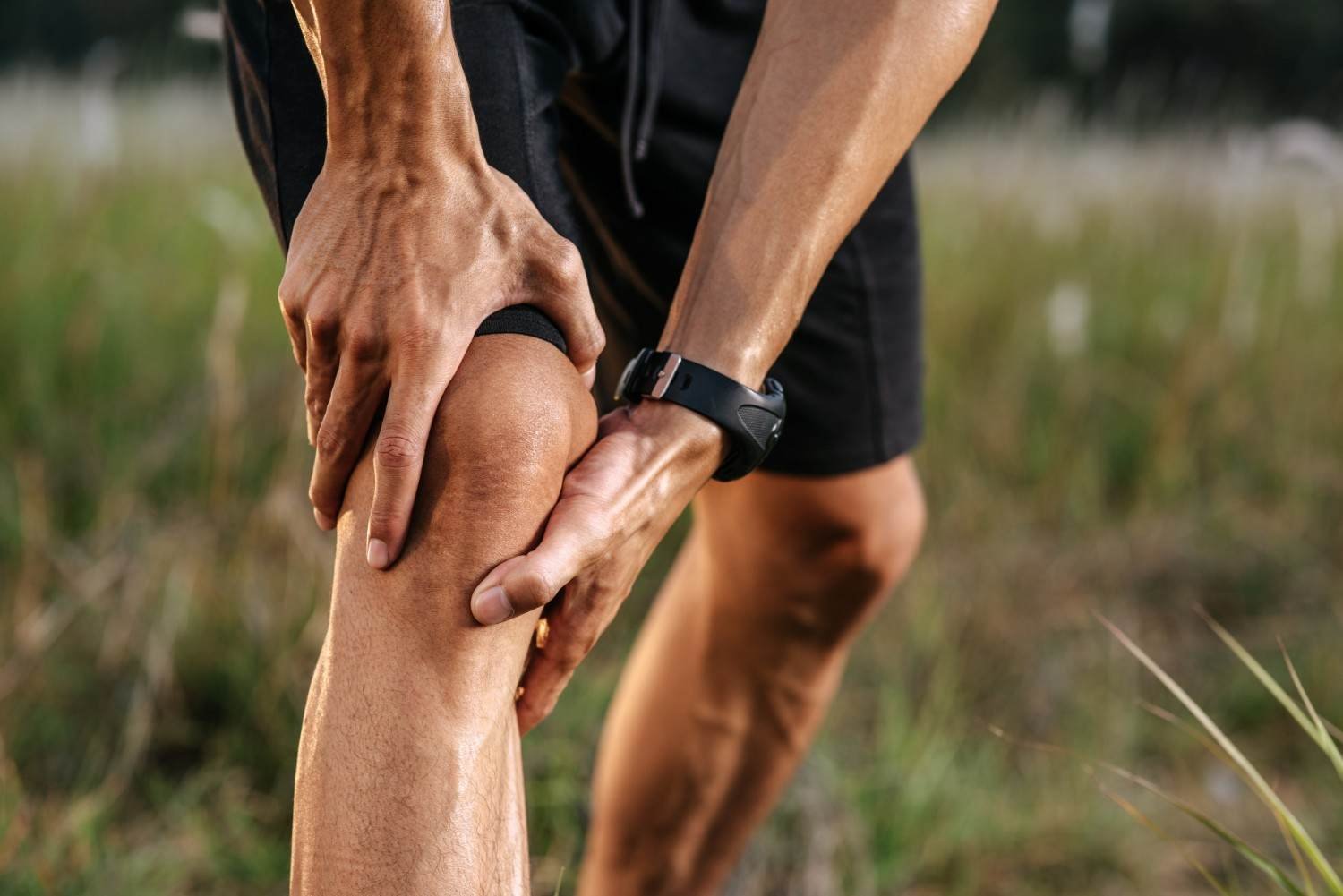
Knee pain can gradually interfere with walking, climbing and descending stairs, standing, and other activities of daily living. If conservative treatments such as pharmacologic and nonpharmacologic interventions, physical therapy, and lifestyle modifications fail to provide adequate relief, knee replacement surgery may be considered. For patients looking for Knee Replacement in Ramesh Nagar, understanding the procedure, recovery process, benefits, and preparation can help them make an informed decision.
What Is Knee Replacement Surgery?
A knee replacement is performed by replacing damaged knee parts with prostheses. The objective of the method is to ease pain in the knee joint and increase the joints' range of motion and functionality.
A knee replacement may be total or partial, depending on the extent and location of joint damage. The appropriate option is determined after evaluating the patient's symptoms, physical condition, imaging reports, and overall joint health.
For fast information, chat with us directly on WhatsApp
When Is Knee Replacement Needed?
Not every person with knee pain needs surgery. Knee replacement surgery is performed in case of extensive joint damage that causes persistent pain and disability in the patient despite conservative treatments.
Common signs that may indicate the need for evaluation include:
- Persistent knee pain during walking or daily activities
- Knee stiffness that limits movement
- Difficulty climbing stairs or getting up from a chair
- Swelling and tenderness around the knee
- Reduced ability to perform routine activities
- Pain that continues despite non-surgical treatment
Severe osteoarthritis is one of the most common reasons for knee replacement. A specialist can determine whether surgery is appropriate after a detailed assessment.
Types of Knee Replacement
The type of surgery depends on how much of the knee is affected.
Total Knee Replacement:
Total knee replacement is a procedure where the patient’s knee surfaces are replaced with prostheses. It is indicated in the cases when the disease involves several parts of the joint.
Partial Knee Replacement:
When damage is limited to one part of the knee, a partial replacement may be an option for selected patients.
A detailed examination and appropriate imaging help the surgeon determine which approach is suitable.
How Is Knee Replacement Performed?
Before surgery, the patient undergoes a medical evaluation and necessary investigations. The surgical team also reviews existing health conditions, medications, and factors that may affect recovery.
During surgery, the damaged joint surfaces are carefully removed and replaced with prosthetic components. The procedure is performed using appropriate anaesthesia and surgical techniques based on the patient's condition.
The main objective of Knee Replacement in Ramesh Nagar is to relieve pain, restore useful movement, and help patients return to everyday activities.
Recovery After Knee Replacement
Recovery does not end when the surgery is completed. Rehabilitation plays an important role in restoring strength, flexibility, balance, and mobility.
Patients are generally encouraged to begin movement as advised by their medical team. Physiotherapy exercises help improve knee function and support recovery. Early movement may also help reduce certain postoperative risks, including blood clots.
Patients should follow their surgeon's instructions regarding wound care, medications, walking, exercises, and follow-up appointments. Recovery time varies from person to person.
Benefits of Knee Replacement
Successful knee replacement can offer several potential benefits, including:
- Reduction in chronic knee pain
- Improved mobility
- Better ability to perform daily activities
- Improved knee function
- Greater independence in routine movement
- Improved quality of life
The results depend on factors such as the patient's overall health, severity of joint damage, rehabilitation, and adherence to postoperative instructions.
Preparing for Knee Replacement in Ramesh Nagar
Good preparation can support a smoother surgical journey. Patients should discuss their medical history and current medications with their healthcare team. Conditions such as diabetes, obesity, and smoking may influence surgical risks and recovery, so these factors should be addressed with the treating doctor before surgery.
It is also helpful to arrange assistance at home, understand the rehabilitation plan, and prepare for follow-up appointments before undergoing Knee Replacement in Ramesh Nagar.
Choosing the Right Knee Replacement Care
Choosing appropriate medical care is an important part of the treatment journey. Patients should consider the experience of the orthopaedic team, available diagnostic facilities, surgical support, rehabilitation services, and personalised treatment planning.
A detailed consultation can help determine whether knee replacement is necessary and which treatment approach best suits the patient's condition.
Conclusion
Persistent knee pain should not always be accepted as a normal part of ageing. When joint damage significantly affects mobility and conservative treatment is no longer effective, knee replacement may provide an opportunity for better movement and improved daily function.
For patients considering Knee Replacement in Ramesh Nagar, an individual assessment is essential before deciding on surgery. Understanding the procedure, preparation, rehabilitation, and expected recovery can help patients approach treatment with greater confidence.
Frequently Asked Questions
1. Who may need knee replacement?
People with advanced knee joint damage, particularly those experiencing persistent pain and difficulty with daily activities despite non-surgical treatment, may be considered for knee replacement.
2. Is knee replacement suitable for everyone with knee pain?
No. Knee replacement is not automatically required for every patient with knee pain. A specialist evaluates symptoms, joint damage, medical history, and previous treatment before recommending surgery.
3. How long does recovery after knee replacement take?
Recovery varies between patients. Rehabilitation, physiotherapy, general health, age, and the extent of surgery can all influence the recovery period.
4. Is physiotherapy important after knee replacement?
Yes. Physiotherapy and prescribed exercises are important for improving strength, flexibility, mobility, and overall knee function after surgery.
5. When should I consult a specialist for knee pain?
If knee pain is persistent, affects walking or daily activities, or continues despite conservative treatment, consulting an orthopaedic specialist can help identify the underlying problem and appropriate treatment options.
For more information about Divyakriti Multispeciality Hospital, visit https://share.google/pIrWFp4PR5IbnwN6n to learn more about their services or to book an appointment.